Discover Handmade Favorites at Cuban Bakery Aurora CO
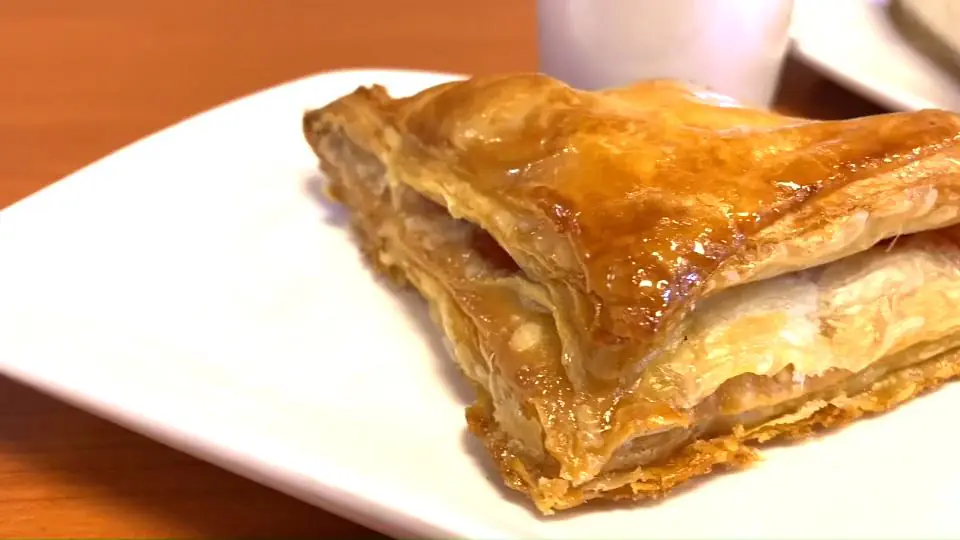
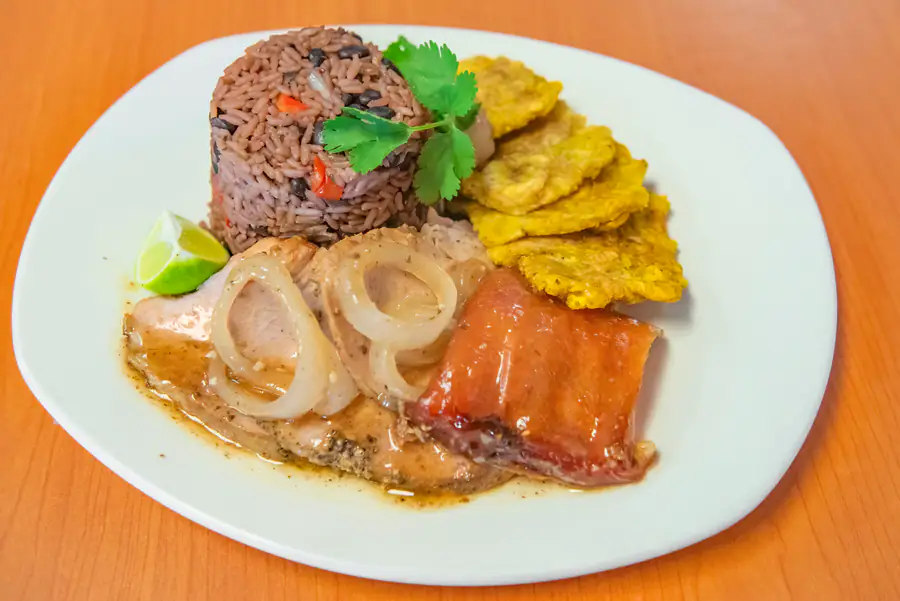
Finding a bakery that still works by hand changes the way you eat. The texture is different, the aroma is different, and most of all, the food feels anchored to someone’s craft rather than a production schedule. That is exactly why a good Cuban bakery Aurora CO shoppers can rely on stands out so quickly. You do not have to know every pastry by name to sense the difference. It shows up in the crackle of a fresh loaf, the buttery layers of a pastelito, the sheen on guava filling that was baked that morning, and the deep, sweet scent of espresso moving through the room before breakfast has even peaked.
Aurora has the kind of food culture that rewards curiosity. It is a city where neighborhoods overlap, where family-run kitchens sit beside newer concepts, and where regulars often know the best counter items by the time the doors open. A Cuban bakery fits naturally into that landscape because it offers more than sweets. It brings together bread, coffee, savory snacks, breakfast habits, and a certain style of hospitality that feels both brisk and generous. People come in for one thing and leave with three. That is usually a good sign.
What makes the experience memorable is the handmade element. In practice, handmade does not mean precious or performative. It means someone is paying attention to fermentation, proofing, filling, shaping, and timing. It means a baker knows that dough behaves differently on a dry winter morning than it does on a humid summer afternoon. It means the guava and cheese pastry has enough structure to hold its filling without turning gummy, and the bread has a crust thin enough to shatter lightly without fighting the bite. These details are small on paper, but they decide whether a bakery becomes part of your routine or a place you tried once.
What people are really looking for in a Cuban bakery
Most customers walk into a Cuban bakery with a simple hope: they want something fresh, comforting, and unmistakably made with care. Some come for nostalgia, especially if they grew up with Cuban bread on the table or with strong coffee poured into small cups at family gatherings. Others are looking for breakfast that feels more alive than a chain pastry case. Some want to bring a box of pastries to the office and avoid the predictable donut run.
A strong bakery meets all of those needs without trying too hard. It does not need a long speech about authenticity. You can usually tell within a few minutes whether the place takes its standards seriously. Watch the pace behind the counter. Notice whether people are ordering by habit. See how often trays are being replaced. Fresh bakeries have movement. There is turnover, there is aroma, and there is usually at least one item that regulars seem to grab before they have fully decided on anything else.
In my experience, the strongest Cuban bakeries also understand balance. Sweet items matter, but so do bread and savory options. Cuban baking is not just dessert under glass. It is breakfast, a midmorning coffee break, lunch in sandwich form, and the kind of snack you pick up for later because you know it will not survive the day untouched.
The handmade pastries worth noticing first
If you are new to the category, it helps to start with the classics that show a bakery’s skill quickly. These are the items I would look for first when visiting a Cuban bakery in Aurora.
- Guava pastelitos, ideally with a crisp top and filling that tastes fruity rather than candy-sweet
- Guava and cheese pastries, where the creaminess of the cheese softens the bright acidity of the fruit
- Croquetas, especially if the exterior stays crisp while the inside remains smooth and savory
- Cuban bread, which should feel light for its size and slice cleanly without turning dense
- Flan or other custard desserts, which reveal a kitchen’s control over texture and sweetness
That short list covers a lot of ground. It tests lamination, filling restraint, frying, bread work, and dessert finesse. A bakery that does all five well is almost always worth returning to.
The guava pastry is particularly revealing. Good guava filling should taste like fruit first, sugar second. That sounds obvious, but it is not always what happens. Some versions lean so sweet that they flatten the pastry around them. The better version tastes bright and slightly floral, with enough tang to wake up the butter in the dough. Add cheese, and the pastry becomes more forgiving and more interesting. The creamy element rounds off sharp sweetness and creates a fuller bite.
Croquetas belong in this conversation because they tell you how a bakery handles savory texture. A croqueta should not collapse into grease when you bite it. It needs a proper shell, one that gives way to a warm, smooth center. If it is filled with ham, the salt should be present but not dominant. If the bakery makes them fresh in small batches, the difference is obvious.
Then there is the bread. Cuban bread can look simple to people who have not spent time around it, but simple breads are often where bakers expose themselves most clearly. There is nowhere to hide. The crumb should be soft but not weak, the crust delicate rather than thick, and the loaf should feel lively, not heavy. Fresh Cuban bread is one of those foods that can disappear before you get home, especially if someone in the car tears off an end piece.
Why freshness changes everything
A bakery can have the right recipes and still miss the mark if timing slips. Freshness matters more in Cuban baking than many first-time customers realize because so many signature items rely on fragile contrasts. A pastry needs crispness against moisture. Bread needs a brief window when crust and interior are both at their best. Espresso-based drinks need to be pulled with confidence, not left sitting. Sandwiches depend on bread that still has bounce.
This is why morning visits often tell the truest story. Earlier in the day, you are seeing what the bakery wants to present at full strength. Later visits can still be excellent, especially in busy shops with steady turnover, but the first half of the day is where handmade work shines most clearly. If you have ever had a still-warm loaf wrapped in paper, you know the difference instantly. The crust whispers when pressed. The interior releases steam and a faint sweetness from fermentation. Even a basic buttered slice becomes memorable.
That said, there is a trade-off. The busiest time may also mean the longest wait. For some people, especially on weekends, that is worth planning around. Arrive too late and a few of the bakery’s best items may be gone. Arrive at peak rush and you might stand in line while everyone ahead of you orders half the pastry case. My advice is practical rather than romantic: go early enough for selection, but not so early that the full range has not yet come out. In many bakeries, that sweet spot lands after the first morning surge of setup but before the true brunch crowd settles in.
More than pastries, the role of bread and sandwiches
People often discover a Cuban bakery through sweets, then become regulars because of the bread. That pattern makes sense. Pastries invite curiosity, but bread builds habit. A good loaf turns breakfast into a ritual and lunch into something you actually look forward to.
At a reliable Cuban bakery in Aurora, the bread should support both simple eating and more substantial fare. It should be good enough to eat plain and structured enough to handle pressed sandwiches. If the bakery also offers sandwiches, pay attention to how the bread behaves under heat. It should crisp on the outside while keeping enough tenderness inside to absorb mustard, pickles, roast pork, or ham without turning soggy.
This is one of the quiet strengths of the category. A Cuban bakery can solve multiple meals in one stop. You can pick up a pastry with coffee, take bread home for later, and add a sandwich for lunch. Families do this naturally. Office workers do too, especially when they need something more satisfying than a muffin but faster than a sit-down breakfast.
There is also a value angle here that should not be ignored. Handmade food does not always mean expensive food. In many bakeries, individual pastries, savory snacks, and loaves still offer solid everyday value compared with trend-driven cafes. The portions tend to be practical rather than theatrical. You are paying for labor and freshness, not branding. That matters.
The coffee matters just as much as the pastry case
A Cuban bakery without serious coffee is only doing half the job. Coffee is not an accessory here. It is part of the rhythm of the place. Strong espresso, often sweetened in the Cuban style depending on the drink and the shop, changes how the food lands on the palate. It cuts through butter, amplifies guava, and gives a savory bite more snap.
What I look for is simple. The coffee should smell fresh and taste assertive without crossing into bitterness for its own sake. If milk drinks are offered, they should still let the espresso speak. If straight espresso is on the menu, it should arrive hot, fragrant, and fast. A bakery that moves confidently through coffee service tends to be better organized overall. It suggests repetition, training, and a customer base that orders the same essentials daily.
There is also something culturally telling about the pace of coffee in a Cuban bakery. People come in, order quickly, talk briefly, and keep moving. Others linger over the second cup and a newspaper or phone. Both styles fit. The room accommodates routine as comfortably as it accommodates discovery. That flexibility is part of the charm. The bakery can be a neighborhood waypoint or a destination, depending on your mood and your appetite.
How to order when it is your first visit
First visits can be awkward in any specialty bakery because the names may be unfamiliar and the choices move fast. The easiest approach is to accept that you do not need to optimize your order perfectly. You need one https://www.google.com/maps?cid=7703775998023059643 sweet item, one savory item, and one coffee. From there, you can build your preferences over time.
A good counterperson can help, but it helps to know what questions are worth asking. Instead of asking what is popular in a vague way, ask what came out most recently. Ask which pastry holds up best for later if you are taking food home. Ask whether a bread is best the same day or suitable for next-morning toast. Those questions get practical answers, and practical answers are what matter in a bakery.
Here are a few habits that make the experience smoother and usually lead to a better haul:
- Go with a small plan, but leave room for one impulse pick
- If you want bread, buy it early, popular loaves can sell through fast
- Eat delicate pastries the same day, ideally within a few hours
- Save richer desserts for later in the day when you can slow down and taste them
- If the line is long, decide on your coffee before you reach the register
That is not rigid advice. It simply respects how baked goods behave. A guava pastry is brightest on day one. Bread with a thin crust is happiest before dry air gets to it. Coffee is best when ordered with confidence, especially during a rush.
What separates a memorable bakery from a merely decent one
Plenty of bakeries are fine. Very few become part of someone’s week. The difference usually comes down to consistency, restraint, and timing.
Consistency is obvious but hard to achieve. The pastry you loved on Tuesday should still be good on Saturday. It may vary slightly because handmade food always does, but it should not feel like a different product entirely. That requires more discipline than people realize. Dough temperature, proof time, filling ratios, oven behavior, and batch size all need close attention.
Restraint matters because overdoing any one element can dull the whole bakery. Too much sugar hides fruit. Too much grease ruins a croqueta. Too much crust toughens bread. The best bakers know when to stop. Their pastries have flavor instead of noise. Their breads have character without heaviness.
Timing might be the least glamorous factor, but it is often the deciding one. A bakery can produce beautiful goods and still miss if service is disorganized or replenishment is poorly managed. Handmade shops need rhythm. Items should come out in waves that match demand. If not, the display either looks depleted too early or full of things that have sat too long. Customers may not name that problem directly, but they feel it.
Memorable bakeries also tend to have a certain generosity that is hard to fake. It shows in portions, in how staff answer a quick question, in whether regulars are greeted with familiarity, and in the confidence of the food itself. There is a difference between a place trying to impress and a place that knows exactly what it does well.
Aurora is a good place for this style of bakery to thrive
Aurora supports bakeries because it has the ingredients that bakeries need beyond flour and sugar. It has commuters who want fast breakfast with substance. It has families buying for a table rather than a single serving. It has mixed communities where food traditions cross-pollinate naturally. And it has enough curiosity among diners that a strong local shop can build real loyalty.
That local loyalty matters. Family-run bakeries, especially those built around handmade production, survive on repeat visits more than one-time buzz. They need weekday regulars, weekend treat-seekers, and people who remember them when they are asked to bring something to a gathering. A good Cuban bakery becomes the answer to several common questions at once. Where should I grab coffee and pastry? Where can I pick up bread for tonight? What can I bring to the office that feels better than supermarket pastries? Where can I find a lunch that is fast but not forgettable?
The answer, increasingly often, is a trusted Cuban bakery Aurora CO residents return to because it delivers that mix of flavor, warmth, and practicality.
The small details worth appreciating
Some of the best reasons to visit a bakery are the least marketable ones. The paper bag that turns warm in your hand on the way out. The powdered sugar that refuses to stay tidy in the car. The first tear into a loaf while it is still slightly warm. The way guava perfume rises the moment a pastry box opens. These are not dramatic experiences, but they stay with people.
I have seen customers buy a single pastry and then come back a week later for a larger box because they finally let themselves try something unfamiliar. That progression is common. Handmade bakeries reward repeat visits because they train your palate gently. You notice the difference between a fresh pastry and a merely sweet one. You begin to care about crust. You learn which items travel well and which should be eaten in the parking lot before you even start the engine.
That kind of loyalty is earned item by item. It cannot be manufactured through branding alone. It comes from bakers who respect their doughs, from kitchens that keep standards steady, and from front counters that understand speed without losing warmth.
Bringing handmade favorites home
If you are buying for home rather than immediate eating, a little planning goes a long way. Bread should breathe, so avoid sealing it too tightly while still warm. Pastries with fruit fillings can soften over time, which is not necessarily bad, but it changes the eating experience. Savory fried items are best soon after purchase unless you know how to reheat them gently. None of this is complicated, but it is worth remembering if you are spending money on quality.
A practical family order often looks like a mix rather than a single category. One loaf of bread, a few pastries, a couple of savory snacks, coffee for now, dessert for later. That spread captures what a Cuban bakery does best. It supports the day rather than just one craving.
There is also a social side to bringing bakery items home or to work. A box of handmade pastries invites conversation in a way packaged snacks never do. Someone asks what the guava one is. Someone else reaches for the flaky pastry with cheese. The bread gets sliced before the meal it was meant for. Good bakery food has a way of pulling people toward the kitchen.
A place worth returning to
When people talk about favorite neighborhood food spots, they often describe reliability with a kind of affection that borders on gratitude. That is especially true of bakeries. A dependable Cuban bakery offers familiarity without boredom. You can order the same coffee and pastry every week, or you can keep branching out into breads, desserts, and savory classics that reveal a little more of the kitchen each time.
For anyone exploring the local food scene, a quality Cuban bakery Aurora CO location is not just another stop on a list. It is the kind of place that can reset your standards for freshness and handmade flavor. You walk in expecting breakfast and leave thinking about lunch, dessert, and whether you should have bought an extra loaf. That is usually the clearest sign you found the right bakery.
Cuba Bakery & Café
15028 E Mississippi Ave, Aurora, CO 80012
+1 303-752-2822
FAQ About Cuban bakery Aurora CO
What are Cuban pastries called?
Many small Cuban pastries are called pastelitos. They can have sweet or savory fillings, such as guava, cheese, guava and cheese, or seasoned meat. Cuba Bakery & Café lists guava, cheese, guava-and-cheese and beef pastries on its menu. Ask the bakery about current availability and ingredients when ordering.
What are traditional Cuban pastries?
Common Cuban bakery choices include flaky pastelitos filled with guava, cheese or meat. Cuban bakeries may also offer empanadas, breads and desserts alongside coffee. Cuba Bakery & Café lists pastelitos, several empanada fillings, pan Cubano and desserts such as tres leches and bread pudding. Selection can vary, so confirm the day's choices with the bakery.
What makes Cuban bread different?
Cuban bread is known for its light interior and a thin crust that becomes crisp when toasted or pressed. Traditional recipes often use lard, although ingredients vary by baker. It is commonly served as buttered toast or used for Cuban sandwiches. Cuba Bakery & Café lists pan Cubano and tostada on its menu; ask staff about the ingredients in their bread if you have dietary restrictions.